tatars
History, culture and way of life of the people
The history of the appearance of the people on the territory of the Astrakhan province
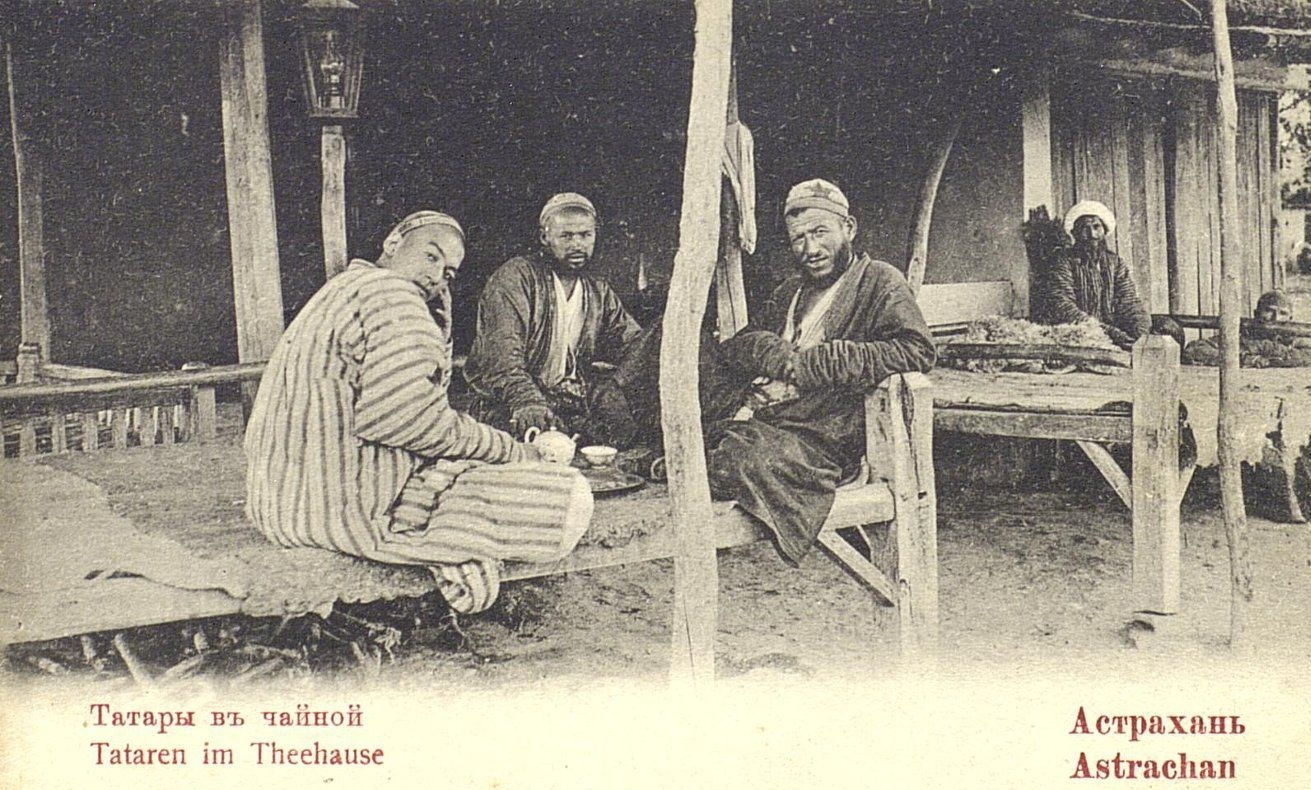
Tatars (Middle Volga, or Volga-Ural Tatars – Kazan and Mishar) – immigrants from the Middle Volga region, appeared in the Astrakhan region in the XVIII century. The first group of Kazan Tatars moved to Astrakhan in the late XVII - early XVIII centuries . They settled in the Kazan and Tatar (next to the Yurt Tatars) settlements of the Earthen City.
Among the urban Tatars already at that time were Tatars from Kazan, Simbirsk, Penza, Saratov and Ryazan provinces. Subsequently, during the XVIII - early XX centuries, there was a regular replenishment of the urban Tatar population by new settlers. So, by the middle of the XVIII century, Mishari Tatars began to move to Astrakhan from near Penza, Nizhny Novgorod and the environs of Temnikovsk in Mordovia.
Astrakhan by the beginning of the XX century, along with Kazan, Ufa, Orenburg, was one of the important centers of the Tatar ethnos and culture. The number of urban Tatars was constantly increasing, the Tatar trading capital was actively developing, national printing houses operated, periodicals were published, new mosques were built, Muslim educational institutions were opened, the Tatar theater operated.
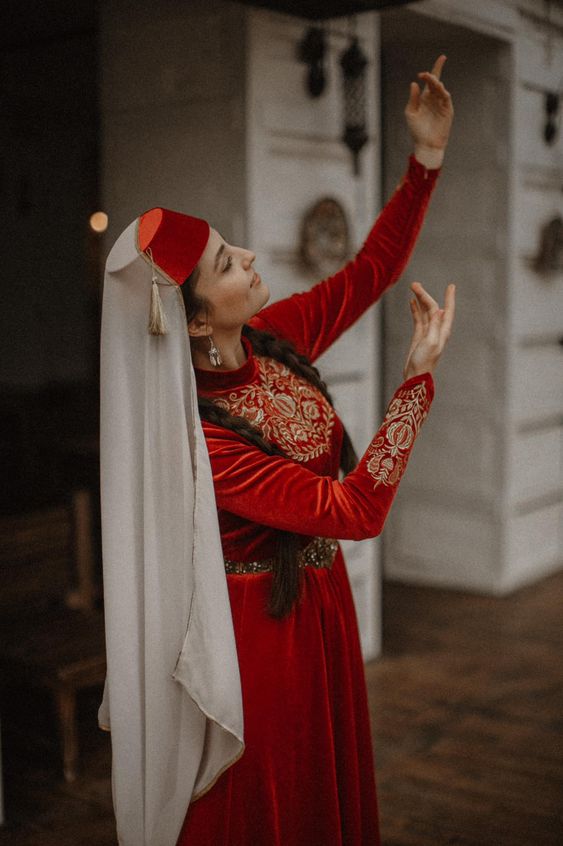
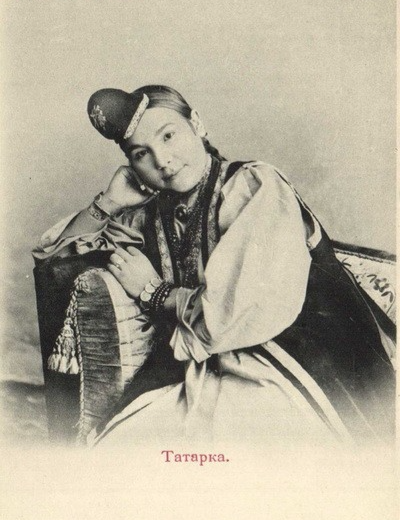
The expression "Kazan orphan" comes from the conquest of Kazan by Ivan the Terrible. The victorious tsar wanted to win over the local nobility and distributed generous gifts as compensation for the losses incurred. Some pretended to have suffered greatly from the hostilities.
religions of the Astrakhan Tatars
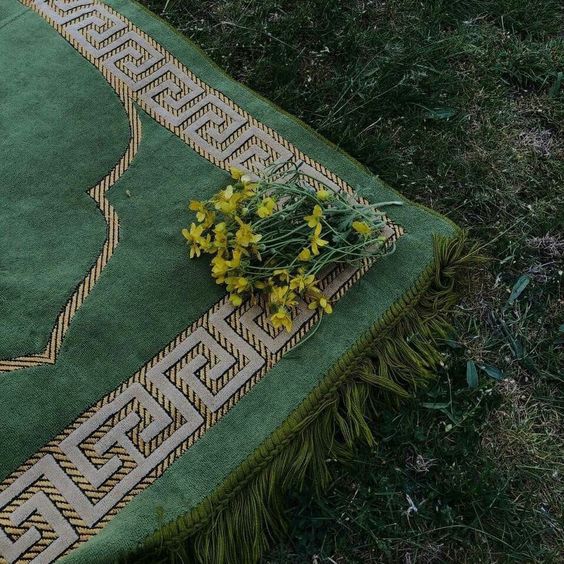
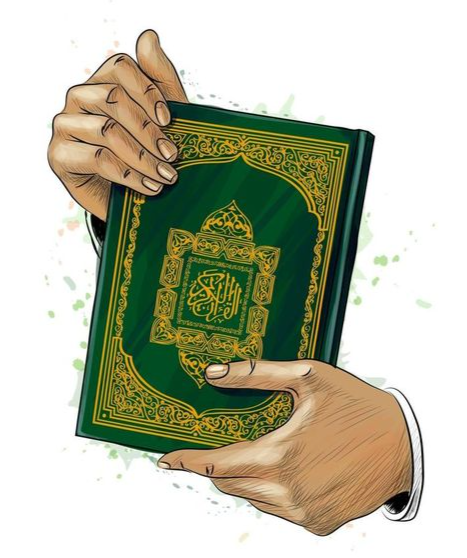
Today, the majority of Astrakhan Tatars profess Islam, but despite this, local beliefs are not too similar to classical Muslim ideas about the world. When the process of Islamization only began the gradual transformation of pagan beliefs, the traditional faith of the Tatars faded into the background, but managed to leave its traces in the new religion.
Why do Tatars practice Islam?
The choice of religion was most likely determined by the geographical location of the ancestors of the Tatars — Bulgars. They lived on the territory of the Khazar Khaganate and learned about Islam from the moment of its inception. Today there are many representatives of other religions among the Tatars, as well as atheists.
The choice of religion was most likely determined by the geographical location of the ancestors of the Tatars — Bulgars. They lived on the territory of the Khazar Khaganate and learned about Islam from the moment of its inception. Today there are many representatives of other religions among the Tatars, as well as atheists.
Language
Basically, for the most part, Astrakhan Tatars speak the Tatar language. However, many people speak a unique dialect that has developed under the influence of Nogais.



According to the results of the 1897 census, the Tatars turned out to be one of the most literate peoples of the Russian Empire — the population is able to read in their native language and often in Arabic or Turkish.
Life
The traditional way of life is only partially preserved in the life of modern Astrakhan Tatars. Their ancestors were engaged in animal husbandry, fishing and melon farming. Engaged in the cultivation of millet, rye and wheat. Until now, many grow watermelons and melons, which are sent for sale to other regions of Russia. Astrakhan Tatars have managed to establish themselves as good winemakers and gardeners.
Herds of sheep were grazed regularly, most of the cattle were fed with animal feed. Horses were not very widespread, camels and oxen were bred more often. Birds are practically not kept. Fishing is important, many Tatars in Astrakhan use fishing as their main occupation and owe much to it as their main source of income. The most valuable product of fishing remains caviar, which was previously sent to the Crimea, and now to other regions.
Herds of sheep were grazed regularly, most of the cattle were fed with animal feed. Horses were not very widespread, camels and oxen were bred more often. Birds are practically not kept. Fishing is important, many Tatars in Astrakhan use fishing as their main occupation and owe much to it as their main source of income. The most valuable product of fishing remains caviar, which was previously sent to the Crimea, and now to other regions.

Why are there many negative sayings about Tatars?
This is just a consequence of the enmity between peoples during the wars, especially during the conquests of the Golden Horde. The Russian people associated negative images with the enemy, hence the sayings like "an uninvited guest is worse than a Tatar" and others.
This is just a consequence of the enmity between peoples during the wars, especially during the conquests of the Golden Horde. The Russian people associated negative images with the enemy, hence the sayings like "an uninvited guest is worse than a Tatar" and others.
Housing
Astrakhan Tatars prefer to settle in quarters. Each may have several large houses. One house can accommodate up to 25 people. Now there are high rates of urbanization, so low-rise construction is gaining momentum. The manor type of construction is more typical for wealthy families.
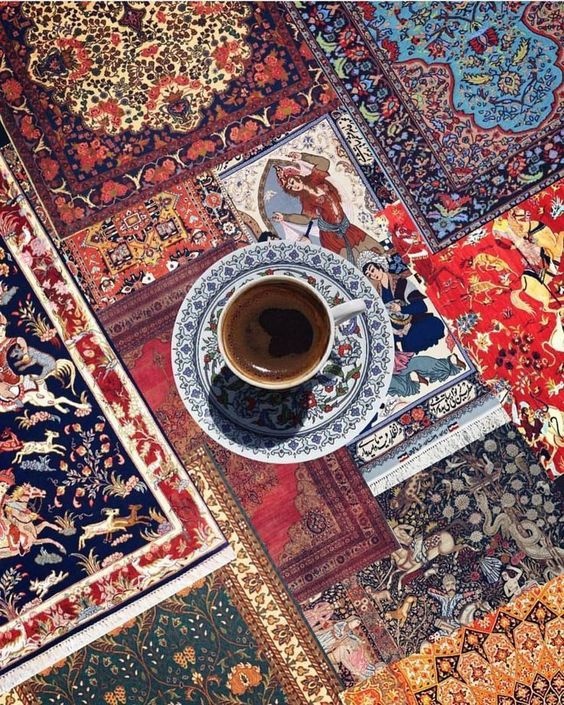
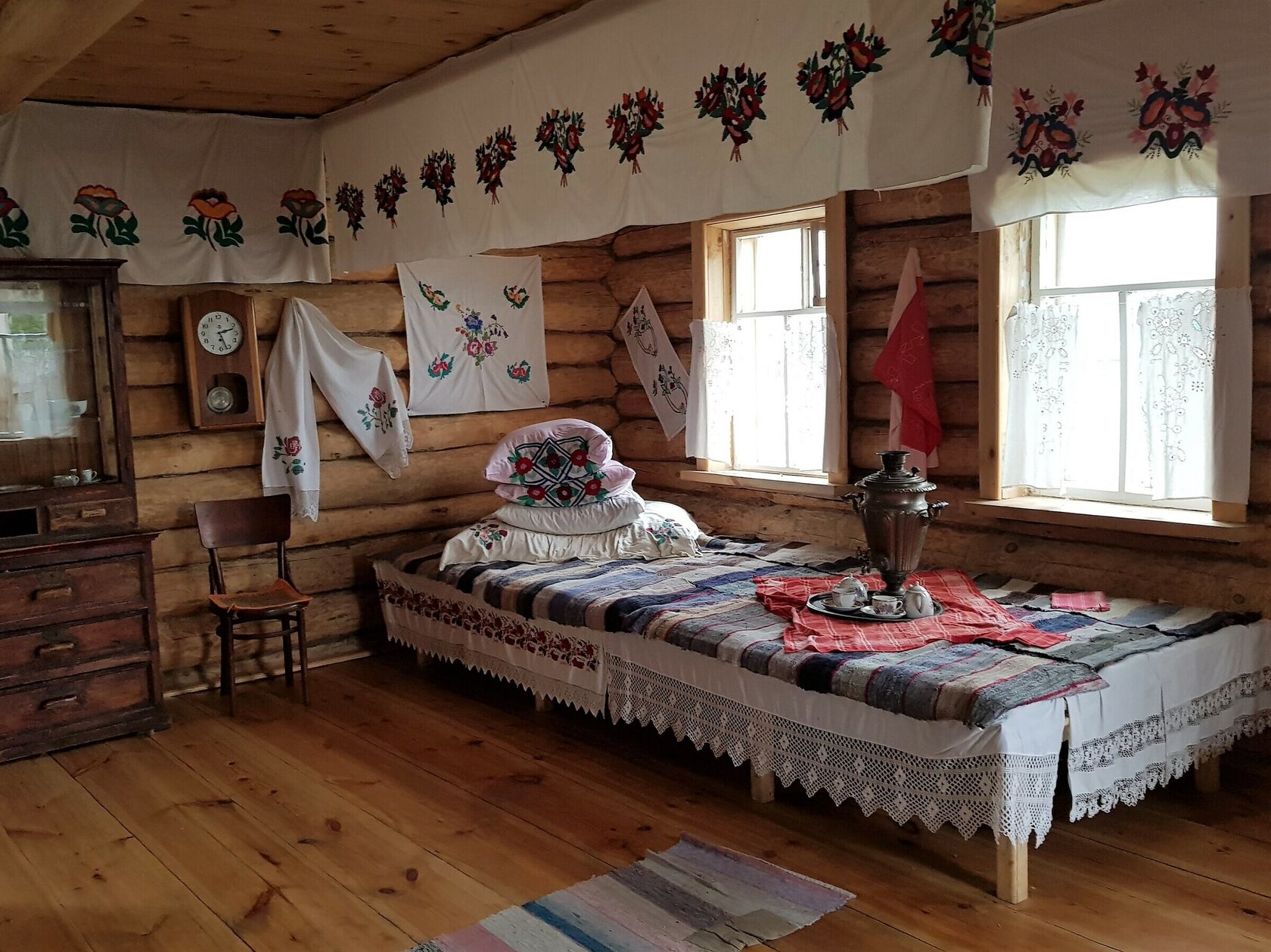
Previously, cattle were kept in manors, and a garden and a vegetable garden were organized on the plot. Nomadic tribes used huts and yurts, which could be quickly disassembled and assembled to move on the road. Food was cooked in cauldrons and hearths. They slept on bunks, sat at low tables, put utensils on chests and shelves made of boards. They could sit on reed mats, carpets and carpets. Curtains and curtains beautifully decorated with patterns were used for sleeping places.
Previously, cattle were kept in manors, and a garden and a vegetable garden were organized on the plot. Nomadic tribes used huts and yurts, which could be quickly disassembled and assembled to move on the road. Food was cooked in cauldrons and hearths. They slept on bunks, sat at low tables, put utensils on chests and shelves made of boards. They could sit on reed mats, carpets and carpets. Curtains and curtains beautifully decorated with patterns were used for sleeping places.

Holidays
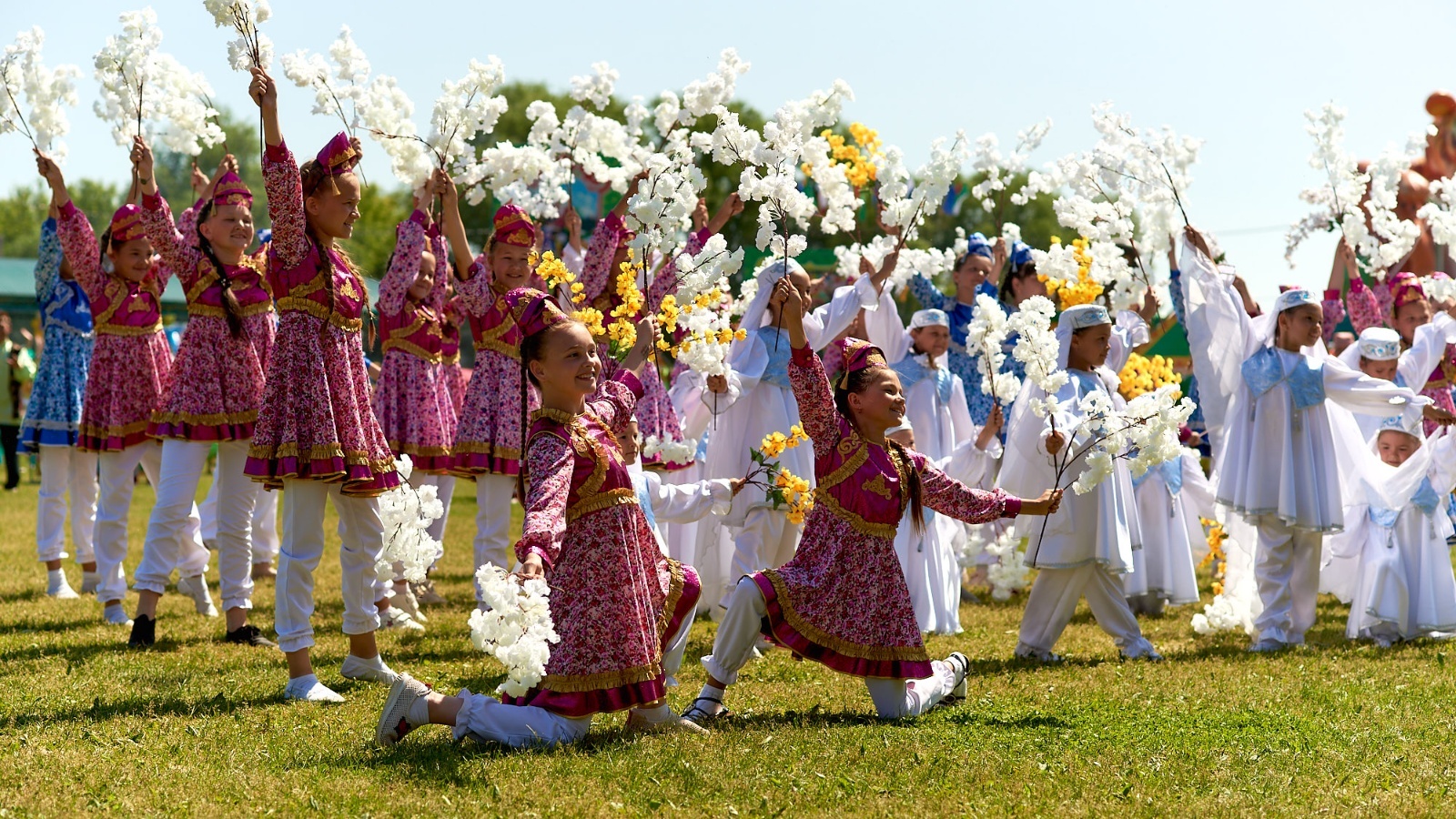
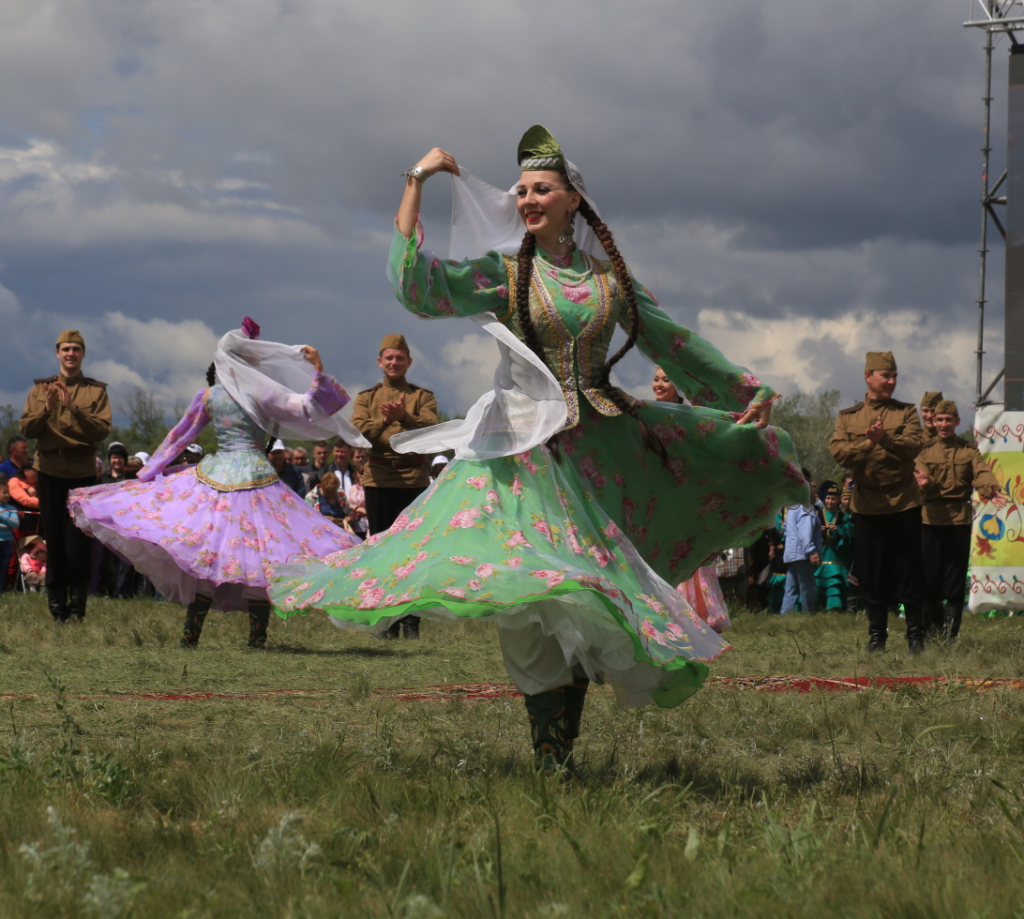
Astrakhan Tatars do not differ from others in terms of holidays. The main festival of the year for them is Eid al-Adha and Eid al-Adha. Navruz used to be celebrated on March 10, while it was necessary to go out into the field, perform prayer, eat porridge and hold a competition. They always competed in the ability to outrun or overcome an opponent.
The Red Egg holiday, which was directly connected with Easter, has lost its significance. On this day, all men had to come to the cemetery and pray, then go to a meal and hold competitions. They competed again in wrestling, shooting and horse racing. They arranged songs for the holiday, played a brass instrument — nahra. It was customary for young people to lead round dances on the Red Egg holiday. Dishes of mutton, fish and various melons were always put on the table.
The Red Egg holiday, which was directly connected with Easter, has lost its significance. On this day, all men had to come to the cemetery and pray, then go to a meal and hold competitions. They competed again in wrestling, shooting and horse racing. They arranged songs for the holiday, played a brass instrument — nahra. It was customary for young people to lead round dances on the Red Egg holiday. Dishes of mutton, fish and various melons were always put on the table.
